The case, chapter by chapter
0:00
How long does it take a court to decide who invented the computer?
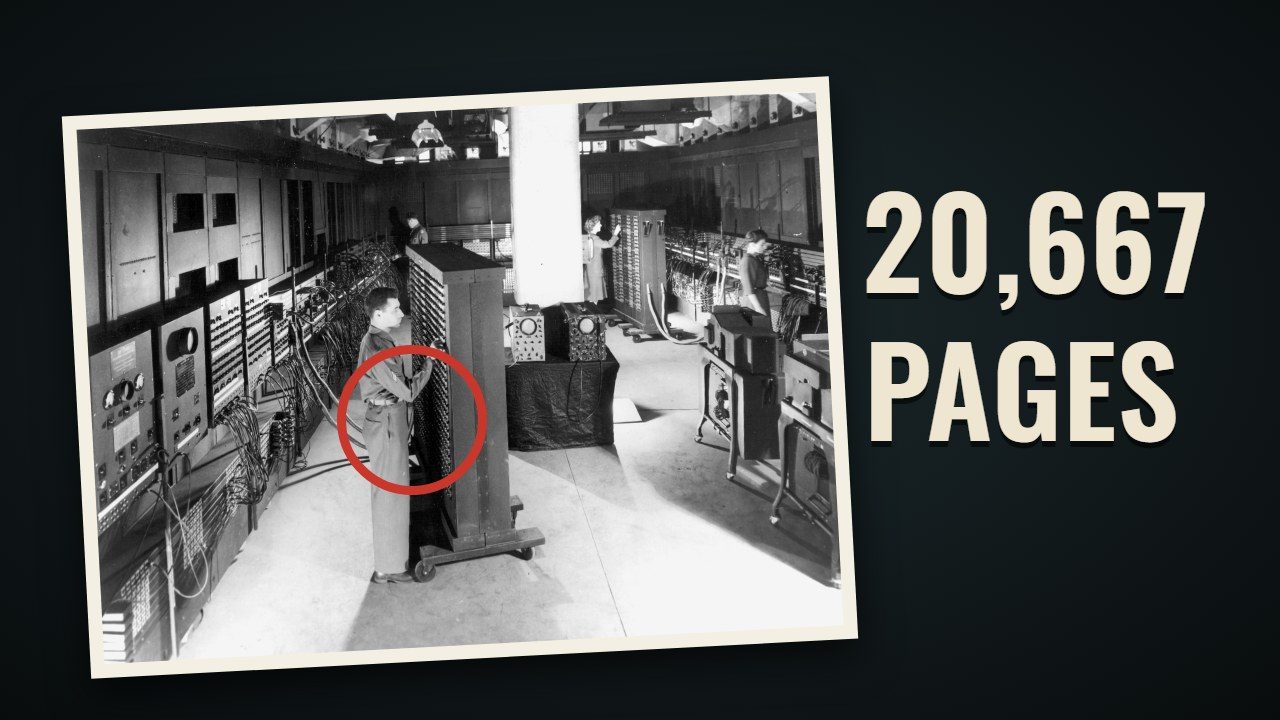
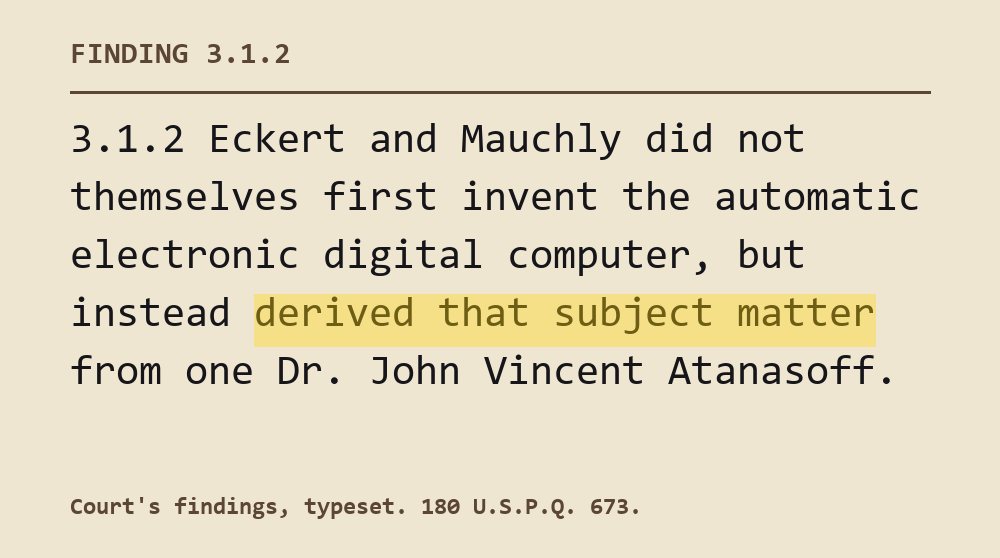
The trial ran 135 days or parts of days, with 20,667 pages of transcript. On Oct. 19, 1973, a federal judge in Minnesota wrote down his answer [1]. It was not the answer the Patent Office had signed almost ten years earlier.
A patent said two men had invented the electronic computer. The judge said they were not the first. So who was? And why was the man the judge named not even part of the case? Three questions run through it: who had the idea first, who put it on paper, and who was asked to pay.
Swipe sideways to read the full line.
1:05
What did Atanasoff build in Iowa?
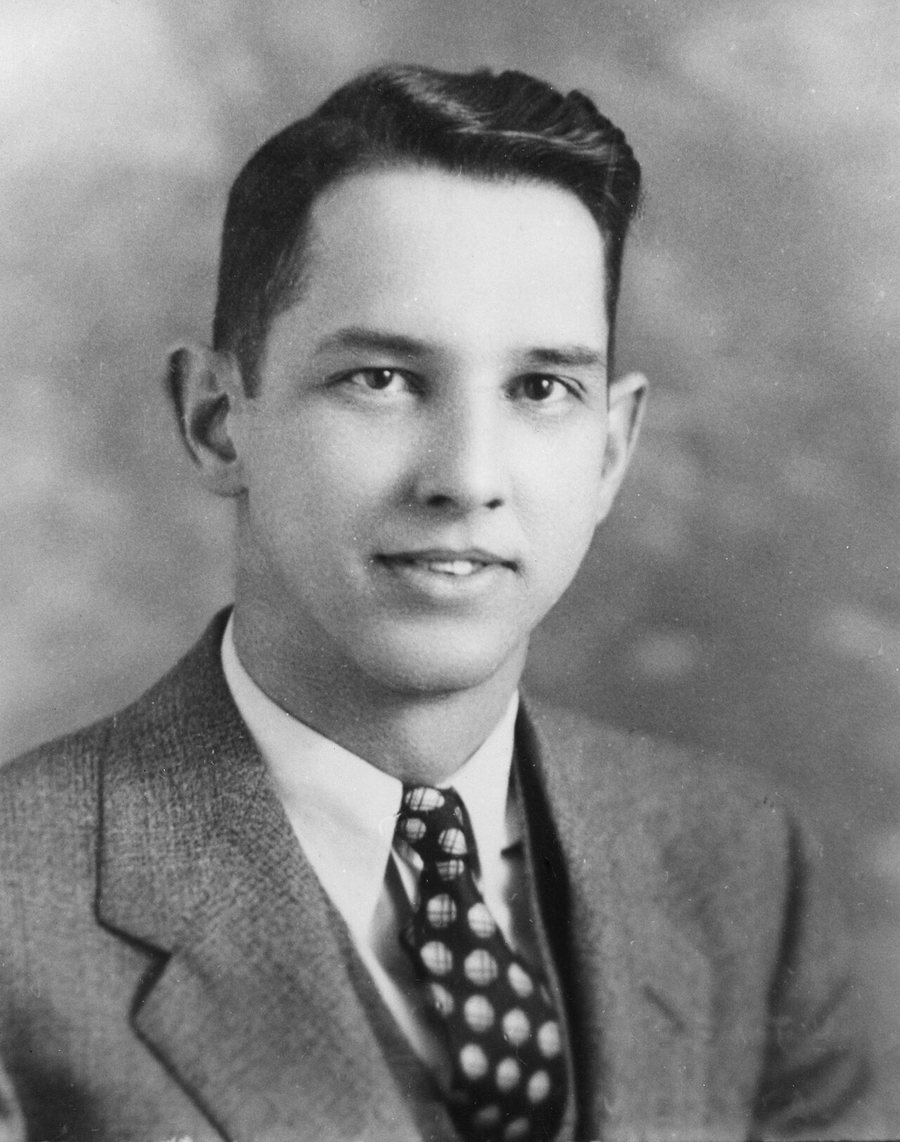
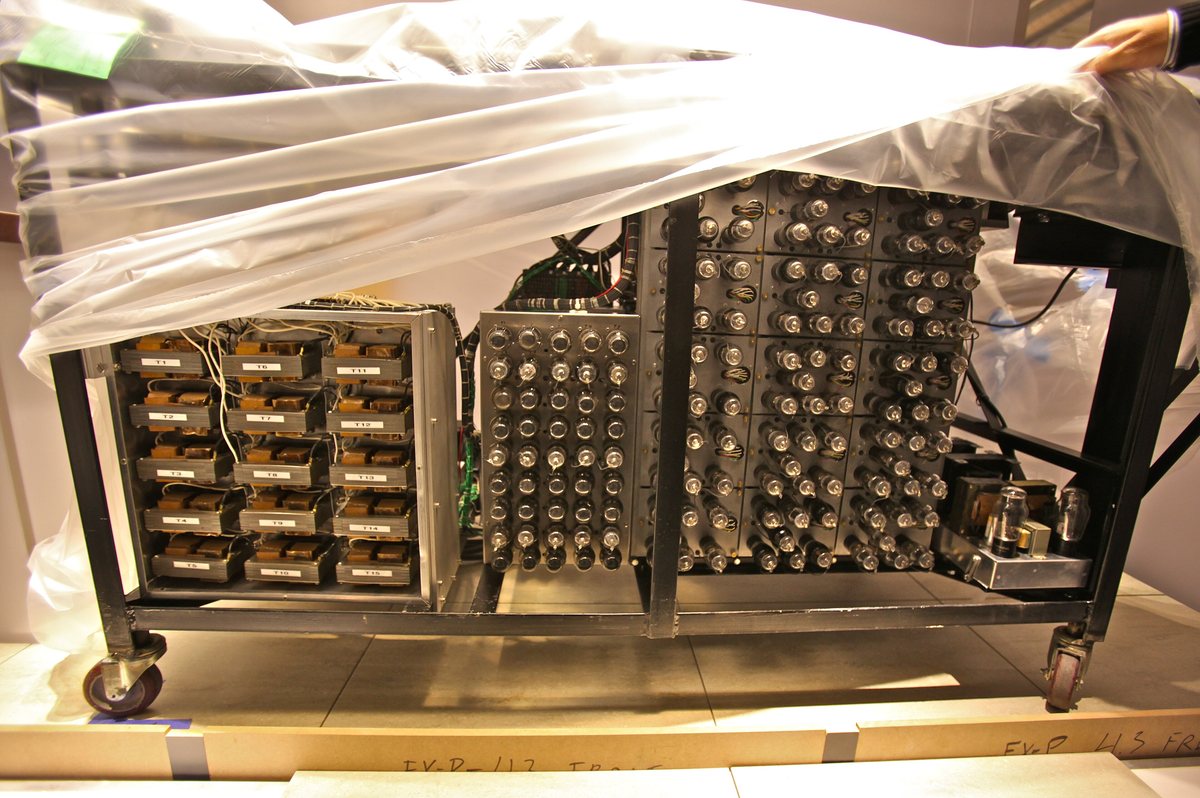
John Atanasoff taught physics at Iowa State College, in Ames. Between 1937 and 1942, the court found, he built an automatic electronic digital computer. He had help from a graduate student, Clifford Berry, and by December 1939 they had a working test model. By August 1940 there was a manuscript describing the machine in detail [1].
The target was big for the time: twenty-nine equations with twenty-nine unknowns, solved together. Berry also wrote a draft patent application. It was never filed [1].
In December 1940, at a science meeting in Philadelphia, Atanasoff told a physicist about the machine. His name was John Mauchly. He sounded interested, so Atanasoff invited him to Ames [1].
2:18
What happened in June 1941 in Ames?
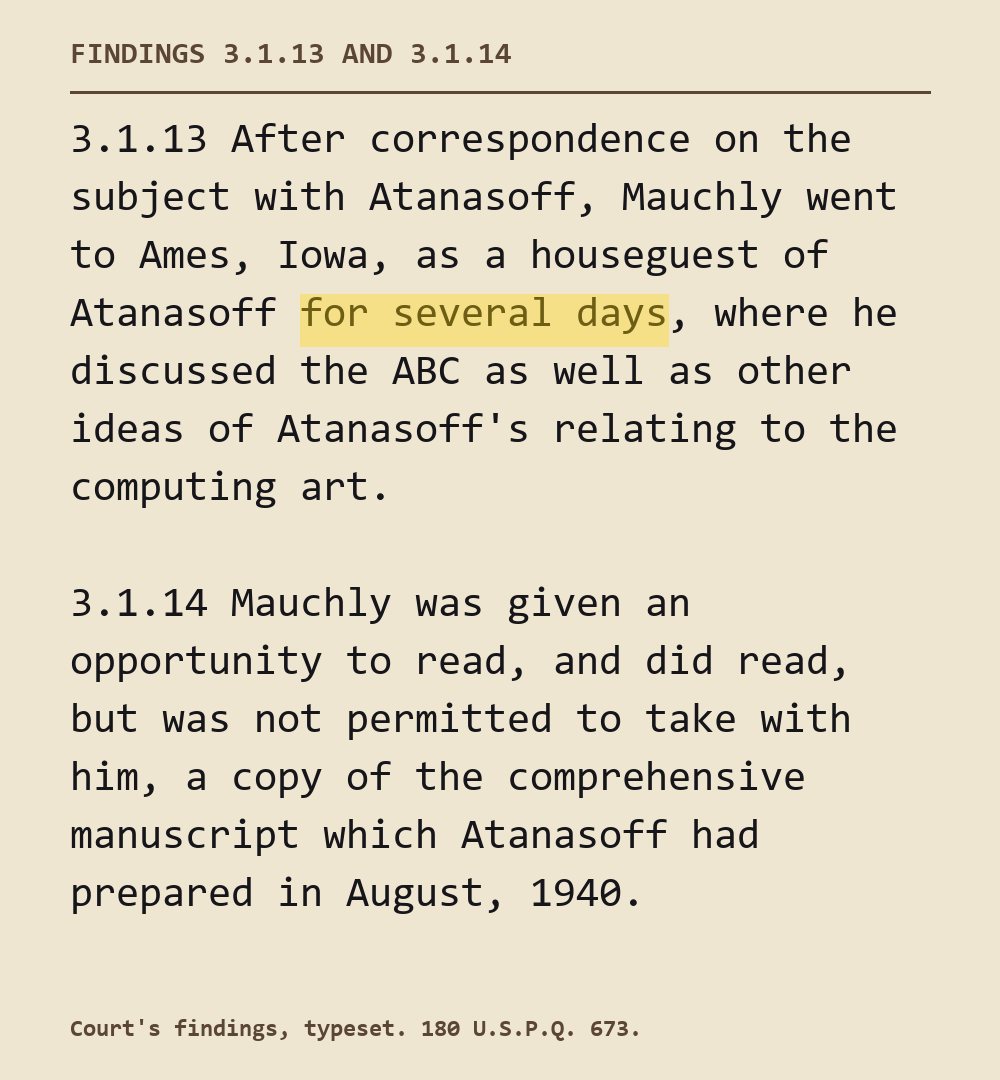
Mauchly arrived as a houseguest and stayed, the court found, for several days. He read Atanasoff's manuscript but was not allowed to take it with him. The machine was not quite finished, but its principles were explained and demonstrated. The court wrote that nothing important was held back [1].
Before that visit, the judge said, Mauchly was interested in analog calculating devices and had not conceived an electronic digital computer. On June 29, 1941, he wrote to a friend that the machine in Iowa was "electronic in operation." In September he wrote to Atanasoff himself, asking whether there was any objection to building a computer that "incorporates some of the features of your machine" [1].
Atanasoff replied that he had no qualms about sharing his ideas, but wanted nothing made public until he had taken steps toward a patent. The judge copied that letter into his decision [1].
Swipe sideways to read the full line.
3:26
What was the Moore School, and what did Eckert and Mauchly do in 1944?
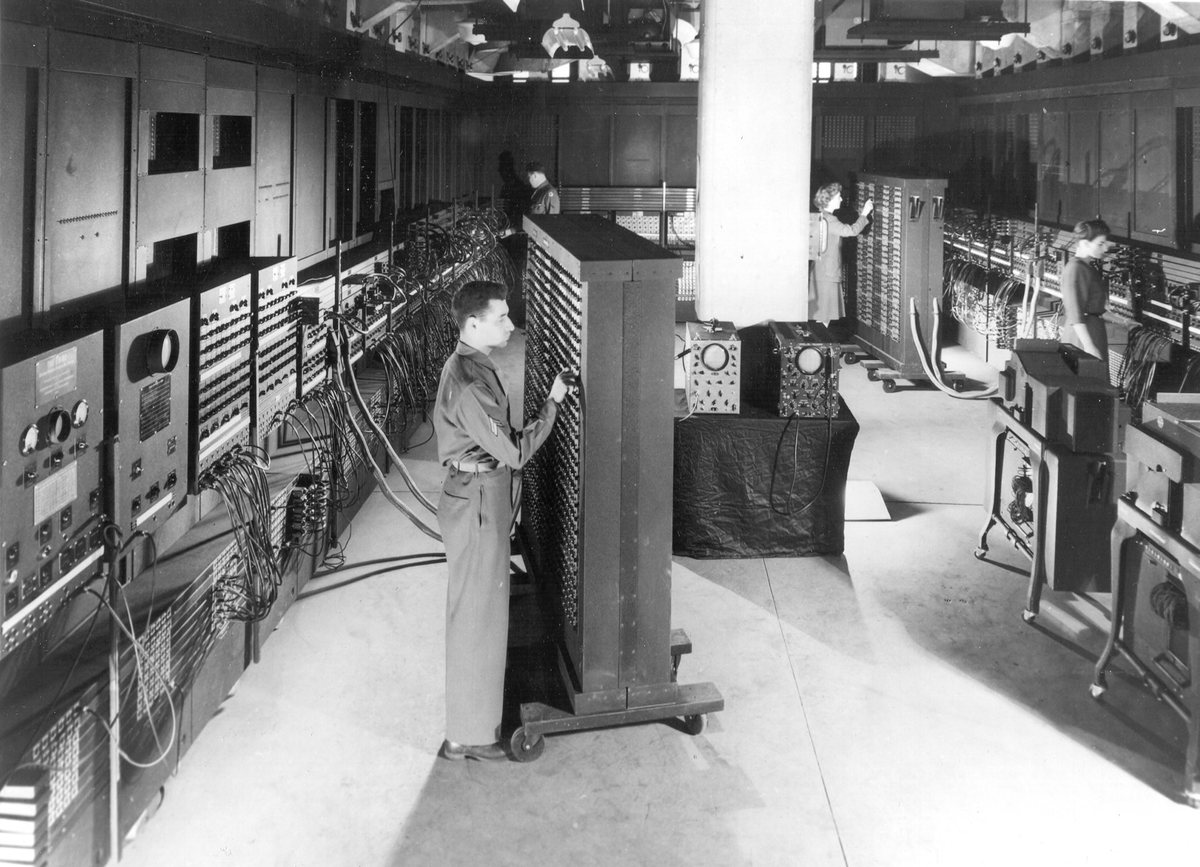
Mauchly left his college and joined the Moore School of Electrical Engineering at the University of Pennsylvania. There, with a graduate student named J. Presper Eckert, he worked on a machine for the United States Army: ENIAC, with some eighteen thousand vacuum tubes, all paid for by the government [1].
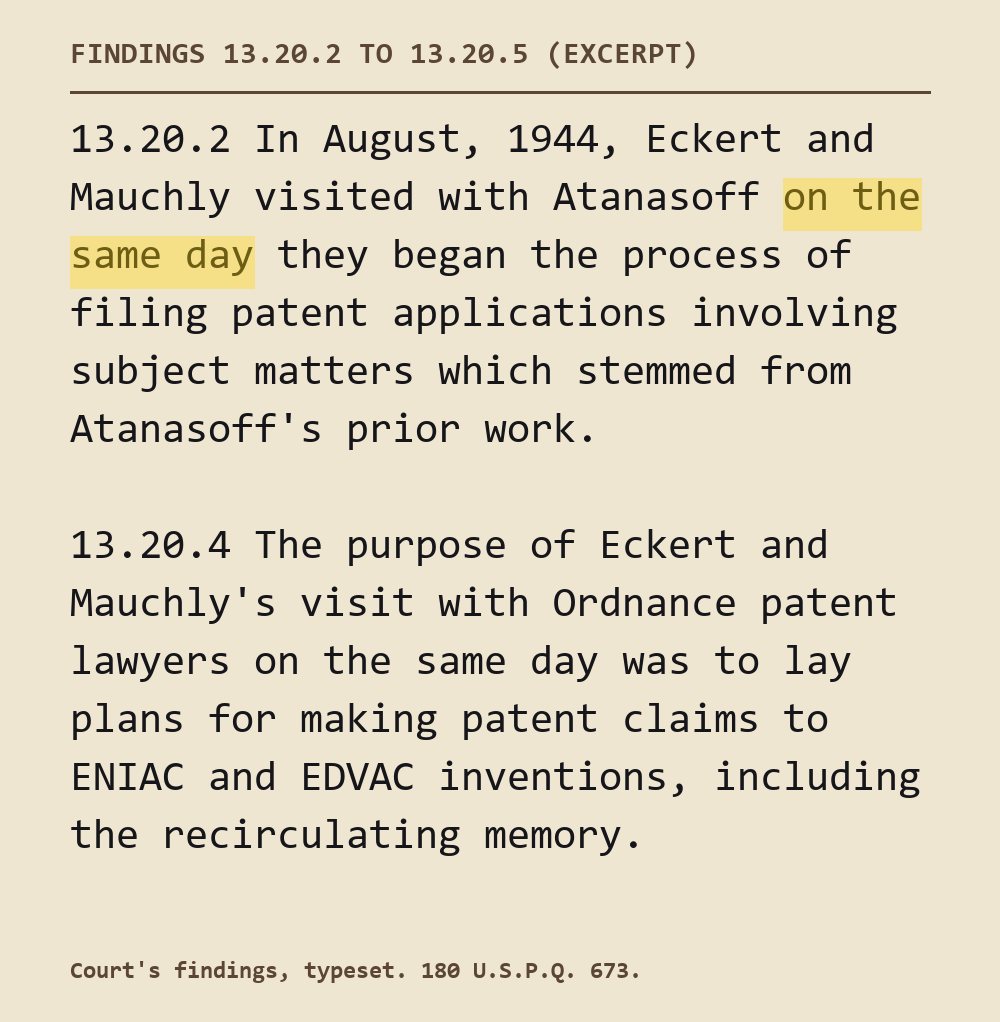
In August 1944, Eckert and Mauchly visited Atanasoff again. The court found it was the same day they began planning patent applications with Army lawyers, and that neither of them told those lawyers about Atanasoff's work before the application was filed [1].
Swipe sideways to read the full line.
4:15
Why do the first problem and the filing date matter?
On Dec. 10, 1945, ENIAC ran its first problem, from Los Alamos. It was a calculation for the hydrogen bomb, and it used ninety-nine percent of the machine's capacity [1].
Why does that matter to a patent? The law barred a patent if the invention had been in public use more than a year before the application. Here that line was June 26, 1946. On Feb. 1, 1946, ENIAC added 97,367 to itself, 5,000 times, while reporters watched. The judge found that Eckert and Mauchly had been warned that showing the machine would cost them their patent rights if they did not act quickly. They filed on June 26, 1947. The court called the Los Alamos work "an absolute statutory bar" [1].
5:26
What happened in the 17 years at the Patent Office?
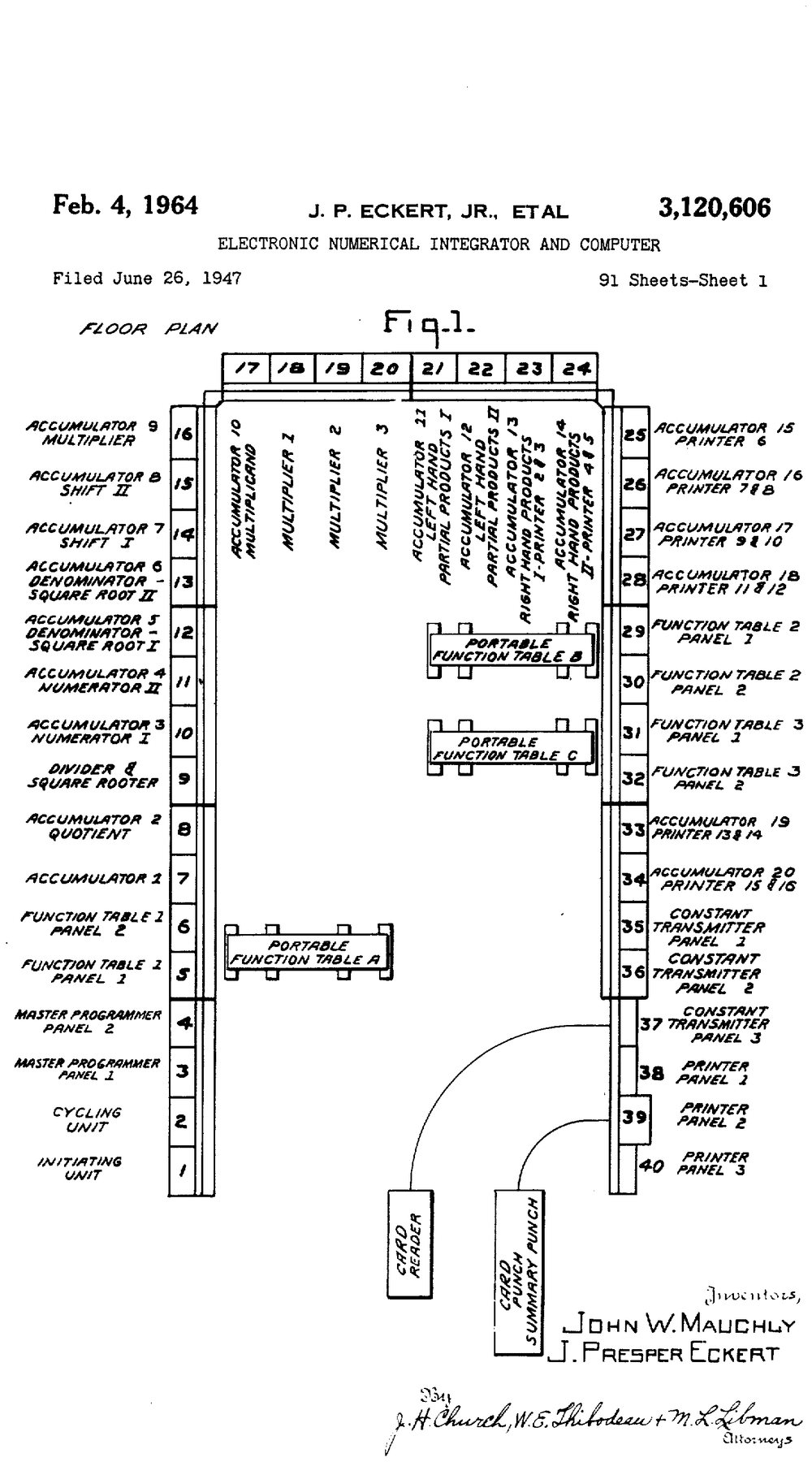
The application sat in the Patent Office for almost seventeen years. The patent was granted on Feb. 4, 1964, with 148 claims and 91 sheets of drawings, and it belonged to a subsidiary of Sperry Rand [1][2].
Its owners asked computer makers for a licence of one and a half percent of the equipment's price. In July 1965 they told Honeywell its liability would exceed $200,000,000. In January 1967 they offered a lump sum of $1,250,000 a year for fifteen years, and called their position non-negotiable. No deal followed, and on May 26, 1967 two lawsuits were filed at once [1].
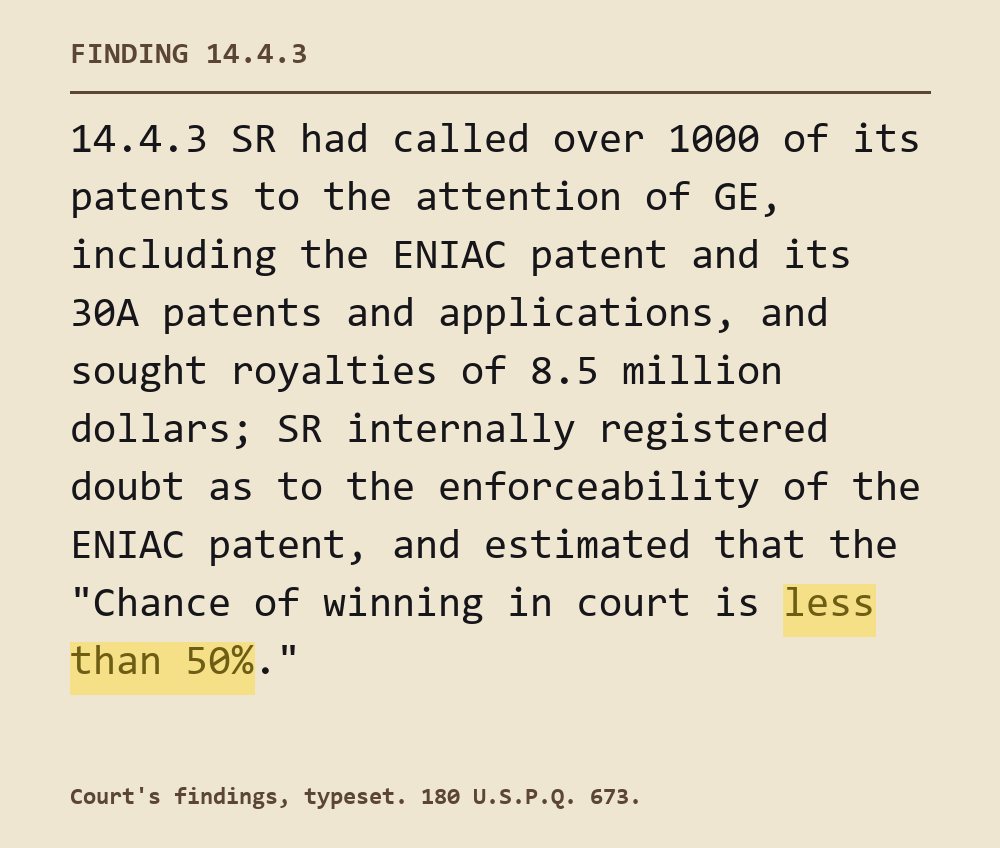
In talks with another company, General Electric, Sperry Rand's own papers put its chance of winning in court at less than fifty percent. The trial that followed ran from June 1971 to March 1972, with seventy-seven witnesses in the courtroom and eighty more by deposition [1].
Swipe sideways to read the full line.
Swipe sideways to read the full line.
6:36
What did Judge Larson rule on October 19, 1973?
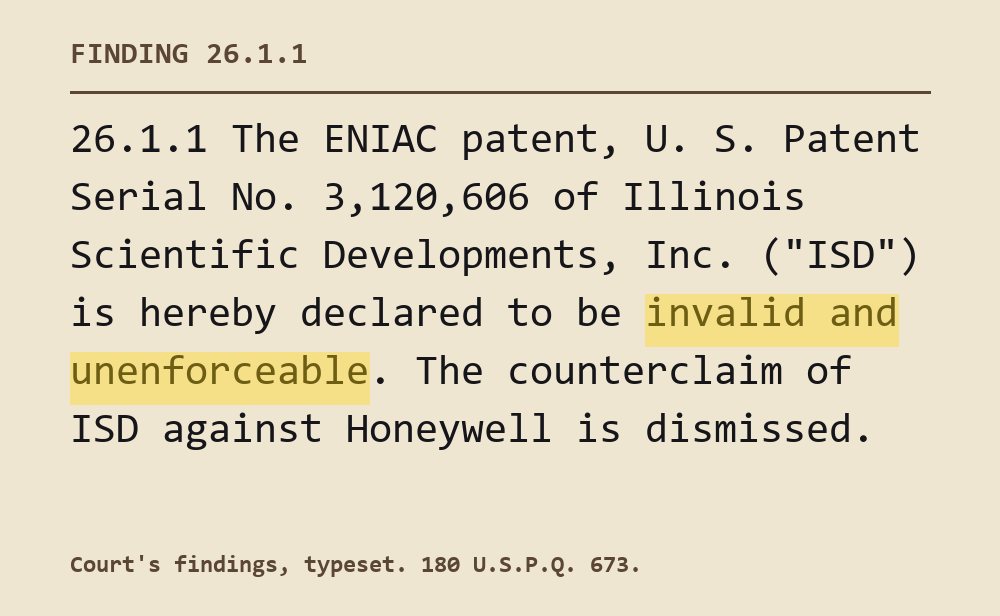
The judge called his own decision "a mixed one." He declared the ENIAC patent invalid and unenforceable. The reasons were several. The machine had been in public use, and on sale, more than a year before the filing. A report by John von Neumann had been circulated. And the judge wrote that Eckert and Mauchly "derived that subject matter" from Atanasoff, whose testimony he found credible [1].
He held the patent unenforceable in part because of what he called the derelictions of Eckert, Mauchly and their lawyers before the Patent Office. Separately, the court found that the lawyers preparing the application were not told of Atanasoff's work [1].
But read the rest of the decision. The claim that the inventors and their lawyers deliberately wronged the Patent Office, the judge wrote, has not been proved by clear and convincing evidence. He wrote that Mauchly may in good faith have believed he had derived nothing, and that Atanasoff, who saw ENIAC in October 1945, claimed nothing of it for two decades. Honeywell lost its antitrust claims [1].
Swipe sideways to read the full line.
7:54
So who had the idea first?
The court said: a professor in Iowa. But it said so about Sperry Rand's own definition of the invention, the automatic electronic digital computer. On who put it on paper, Atanasoff did in August 1940, with a manuscript and a draft application that nobody filed. Eckert and Mauchly filed the application that became the patent on June 26, 1947 [1].
On who was asked to pay: Honeywell, and makers such as NCR and RCA. The judge barred the owners from enforcing the patent against Honeywell or its customers. The judgment awarded no damages. That is a finding about a patent. It is not a title for history [1].
According to Iowa State's own history pages, Clifford Berry died in 1963 and the machine was dismantled in 1948. Those pages come from a source that supports Atanasoff, so we mark them as reported [4]. Atanasoff received the National Medal of Technology in 1990, seventeen years after the ruling [3]. We could not find whether the ruling was ever appealed.